
Photo: Karolina Grabowska
“The secret of making progress is to get started”
Mark Twain
Do you have great writing ideas but aren’t sure how to begin?
Do you have “blank page” syndrome or writer’s block when trying to come up with the guts of a story?
If you answered ‘yes’ to any of the above, then you’re in the right place! I used to struggle with this and it prevented me from exploring fantastical worlds or building out stories for many years.
I do want to note, there are many different ways to do things (I’ll go into this in a future post, comparing the writing methods of plotters vs ‘pantsers’). For myself, I’ve found the Snowflake method is a very effective way to go from a small nugget of an idea to a full-blown outline with as much detail as you want.
What is the Snowflake Method?
I personally heard of the method through a friend of mine many years ago, but the person who came up with it is Randy Ingermanson.
I’ll break the concept down, but from a high level the Snowflake writing method is essentially:
1) write down one or two sentences about your main idea
2) break your idea down into two to three points relating to the main idea
+3) with each of the points you just made, break each into two or three points
The great thing about this method is that it works for any length of story. The longer the story you’re trying to write, the more levels you break it down into!
For a visual representation, Ingermanson uses this image to help show how a simple three-point concept can be broken into more and more details (this is a bit funny because I didn’t realize that this was why it was called the snowflake method!)
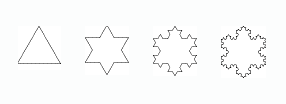
I used to be intimidated when looking at how many words books tend to be, or how many pages I needed to write in order to do something similar. I used to think “How am I supposed to fill all those pages?” But by using the Snowflake Method, I’ve been able to craft complex worlds at a grand scale starting from a tiny idea and continuing to iterate on it and expand it until I have thousands of words describing my story or world.
The Hook
But what is a good one-liner to start from?
This is something I learned some additional tips on from a publisher’s writer bootcamp where the industry experts spoke about a key ingredient that helps center your story: The Hook.
So what is a story hook?
A story hook is a 1-2 line description of what your story is about. The aim is to get someone to read your book. Kind of like an “elevator pitch”, it’s a jam-packed sentence that hooks your attention as a reader and makes you want to know more. (the New York Times Best Sellers list tends to have hooks that are 25 words long, though some others use up to 50 words)
From the bootcamp, here are some of the qualities they described for a good hook. A good hook should be:
1) High concept (easy to understand and specific)
2) Narrow/tailored (the hook should target your niche target audience)
3) Unique (what makes your story unique? is it a new perspective or combining two popular or unique things in a different way with a twist?)
4) Magnetic (if some one heard your hook, would they want to read it?)
5) Saleable (worth the money of publishers to publish, worth readers money, a book that will sell)
Breaking Down a Hook into Acts and Scenes
So you have a stellar hook, something that really grabs someone’s attention, now what?
For me, once I have my idea and a general sense of what my story is about, I break it down into three major events that happen throughout the story. This then gives me my three acts, for a book example. Within each of the acts, I break it down further by adding in smaller events that happen in/around those major events and I try to imagine how things are connected. Weaving the story together in such a way that the major and minor events feel connected and follow the hook/vibe of the book.
A great way to check where your scenes could take place is by using a plotter guide, like Gina Denny’s “8 point beat sheet” which you can learn more about via her video guide (https://www.tiktok.com/@ginad129/video/7335514442496494894).
The essence of it is to see how your story flows and to make sure that it’s paced in such a way as to keep readers interested. This isn’t a magic spell or ‘one size fits all’ but in her experience as an industry vet, it is a helpful tool to pace your story and generally see when certain types of events tend to happen.
Getting into the Guts
How do you get into the content you’re writing now that you have a rough outline?
This ties back to my early comment, as the answer will vary between plotters and ‘pantsers’ (or people who write by the seat of their pants), but here is a method I’ve found successful which is a mix of both.
Now that I have:
– a hook/premise for the story I’m working on
– a general idea of how long of a piece I’m working on
– major and minor events throughout the story
I’ll personally just start writing using one of the smallest levels as a launching pad. This is where some people may differ, as I tend to be more of a ‘pantser’ when it comes to writing the actual story. Some people continue breaking the scenes down further until they have a fully detailed outline of the chapters and chapter sections (in a book example). I tend to keep it a little light in terms of outline specifics, but instead I’ll have a list of things that I think would be interesting to explore in a chapter or certain plot events that I’d like to take place.
If you follow this process, you’ll be amazed how quickly you’ll grow from a single line to a fully fleshed out concept with a ton of content to jump into!
How about you? What do you find works for you when you’re just starting out an idea or worldbuilding for a story?
Like what you read here? Throw a like on the page, subscribe to get an email when I post, or follow me on any of the social media sites.
Stay creative!
- Glen W.
References:
- Randy Ingermanson’s Snowflake Method: https://www.advancedfictionwriting.com/articles/snowflake-method/
- Gina Denny’s video on the “8 point beat sheet” https://www.tiktok.com/@ginad129/video/7335514442496494894
- Gina Denny’s “8 point beat sheet” https://www.gdenny.com/writing-tools
- ‘What is a hook’ notes taken from Hay House Book Writer’s Bootcamp 2024







 Creative Writing Wizard
Leave a comment or question